Architectural floorboards, matching dynamic core accessories, and certified anti-allergenic structures engineered for extreme load performance.

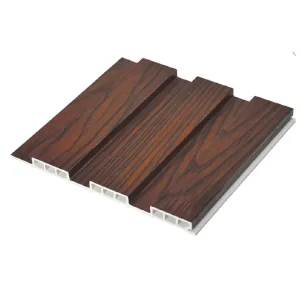

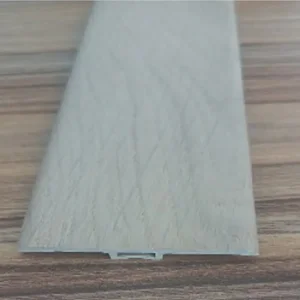
A comprehensive chemical and mechanical analysis for architectural specifiers, developers, and global distributors.
In the global rigid-core resilient flooring industry, the term Virgin SPC (Stone Plastic Composite) defines a material matrix constructed from 100% newly synthesized, unrefined Polyvinyl Chloride (PVC) resins combined with high-grade, premium calcium carbonate (CaCO3) powder. Unlike recycled SPC core structures, which often integrate multi-sourced domestic plastic wastes, virgin polymers are completely free of structural, chemical, and dimensional irregularities.
During extreme extrusion processes, recycled core components can experience thermal degradation due to mismatched melting thresholds of unknown polymers. This yields microscopic air gaps and brittle cross-sections. Virgin resin molecules retain a long, uniform molecular chain length. When combined with crystalline CaCO3 in a typical ratio range of 1:3 to 1:4, the resulting composite offers unmatched tensile strength, chemical stability, and structural predictability.
Exhibits expansion and contraction coefficients of less than 0.05% under high temperature variances (from -20°C up to 60°C).
Zero risk of lead, mercury, or cadmium leaching, complying with REACH, RoHS, and California Proposition 65 standards.
Virgin cores have high density and elasticity, yielding click profile tensile locks that resist separation under high heavy-rolling loads.
Architectural specifiers demand performance parameters that go beyond basic aesthetic designs. The core structural formulation of high-performance Virgin SPC consists of three principal chemical components:
| Property Parameter | Virgin SPC Core (Senli Standard) | Recycled Resilient Core | Testing Methods |
|---|---|---|---|
| Core Density | 1900 – 2100 kg/m³ | 1600 – 1800 kg/m³ | ASTM D792 |
| Formaldehyde Release | ND (Not Detected / E0 Equivalent) | Traces detected (>0.1 mg/L) | EN 717-1 |
| Dimensional Stability | ≤ 0.05% (80°C, 6 hours) | ≤ 0.15% (80°C, 6 hours) | EN 434 / ASTM F2199 |
| Indentation Resistance | ≤ 0.01 mm | ≥ 0.05 mm | ASTM F1914 |
| Reaction to Fire | Bfl-s1 (Flame resistant, low smoke) | Cfl-s1 or worse | EN 13501-1 |
Operating out of China's logistics capital to deliver heavy-duty commercial interior cladding and flooring solutions worldwide.
Linyi Senli New Material Co.,Ltd is situated in Linyi City, Shandong Province, China. Renowned as the logistics capital of China, this location provides direct access to streamlined international shipping routes, domestic rail channels, and immediate material supply lines. We are a professional manufacturer engaged in the research, development, sale, and service of SPC flooring, SPC wall panels, PVC marble sheets, and WPC wall panels designed specifically for high-end interior spaces.
Our manufacturing plant utilizes advanced automatic batching systems, twin-screw extruders, and precision calendar rolls. High-quality production is maintained through our specialized team of:
Adhering to our core brand values of "Quality, Professionalism, and Trust", Senli New Material aims to improve residential comfort and commercial functionality. Our team uses its expertise in SPC flooring manufacturing to deliver high-quality, eco-friendly interior options. We promote a "fashionable, healthy, free, and individual" lifestyle, offering products that meet strict design standards. Senli New Material is a reliable flooring choice for residential, commercial, hospitality, education, and healthcare environments.
How strict carbon tax laws, green building codes, and safety standards are driving the switch from traditional LVT and wood to Virgin SPC.
In developed economies, builders and developers face strict compliance regulations regarding Indoor Air Quality (IAQ). Standard resilient floors, particularly those using recycled plastics, can fail FloorScore or Greenguard Gold certifications due to the emission of volatile plasticizers and residual chlorinated elements. Virgin SPC core technology addresses these issues directly.
The European market (especially Germany, France, and Scandinavia) has established strict recycling and raw material tracing rules. The demand for eco-friendly SPC flooring has shifted focus toward sustainable raw materials, long product lifespans, and low VOC profiles. Additionally, the integrated Uniclic or Valinge click systems eliminate the need for VOC-emitting adhesives during installation, which helps projects achieve LEED credits.
In hot, humid climates like Southeast Asia and Oceania (Australia/New Zealand), solid hardwood and wood composites (MDF/HDF) face structural risks from moisture, rot, and termite activity. Wood-plastic composites and traditional laminates can expand when exposed to high relative humidity, causing buckling at the joints.
Virgin SPC flooring is waterproof and termite-proof, making it suitable for tropical zones and coastal areas. It is designed to handle high relative humidity without warping. In the Middle East, where indoor temperatures fluctuate between heavily air-conditioned spaces and extreme outdoor heat, the low thermal expansion rate of virgin-grade SPC helps prevent joint failure over long-term installations.
A layered analysis of rigid core composite materials and future technological developments.
Specially cured under ultraviolet lamps, this polyurethane coating prevents discoloration from UV exposure, protects against light stains, and includes antimicrobial additives to maintain hygiene.
A clear, heavy-duty layer (typically 0.3mm to 0.7mm thick) that determines the floor's commercial traffic rating. It protects the printed design from abrasive wear, scratches, and scuffs.
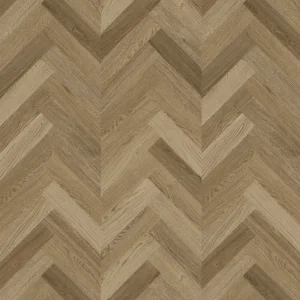
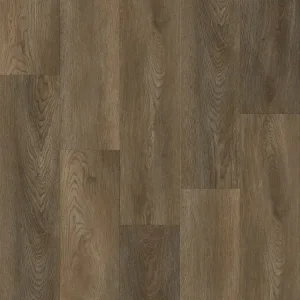
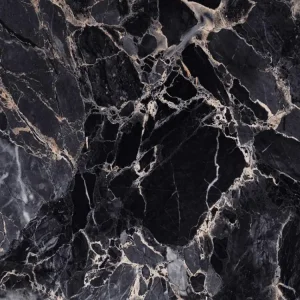
Uses realistic printing techniques to replicate natural wood grains, classic chevron patterns, natural marble textures, or modern polished concrete designs without using natural timber or stone.
The primary structural component, extruded using a clean mix of virgin PVC resin and calcium carbonate. It provides high impact resistance, keeps the locking joints secure under heavy loads, and ensures water resistance.
An optional, pre-attached backing layer (often 1.0mm to 2.0mm thick) that absorbs impact sound, cushions the floor, and helps smooth out minor subfloor imperfections.
Our technical team is focused on developing bio-based polyurethane binders to replace traditional petroleum resins, which will help lower the product's overall carbon footprint. Additionally, we are working to integrate multi-density acoustic backing materials directly into the extrusion process. This technique eliminates the need for secondary lamination adhesives, improving both processing efficiency and eco-friendliness.
Engineered for professional builders, interior designers, and retail distributors worldwide.


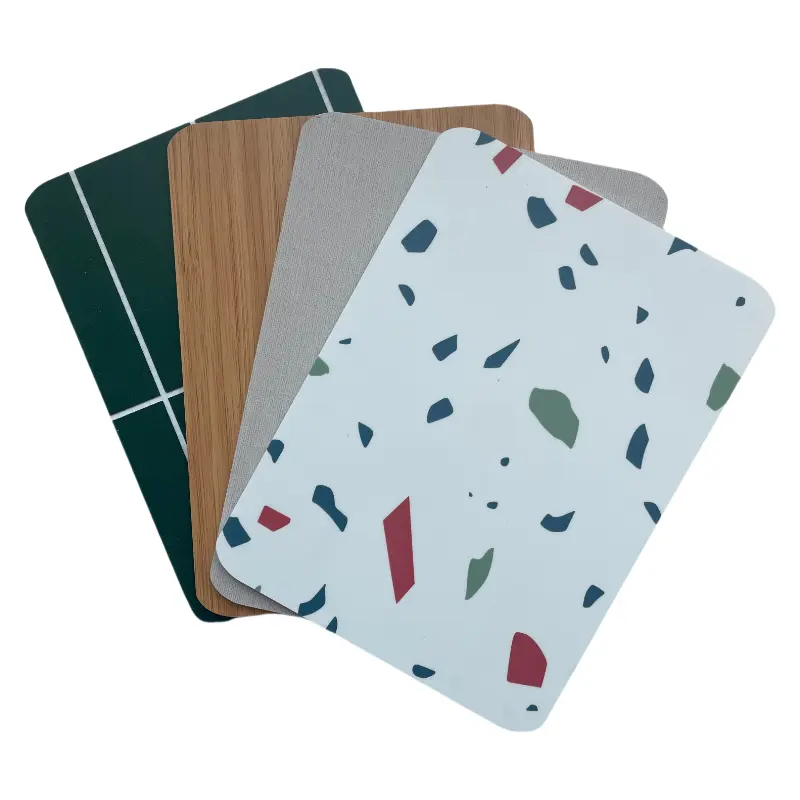
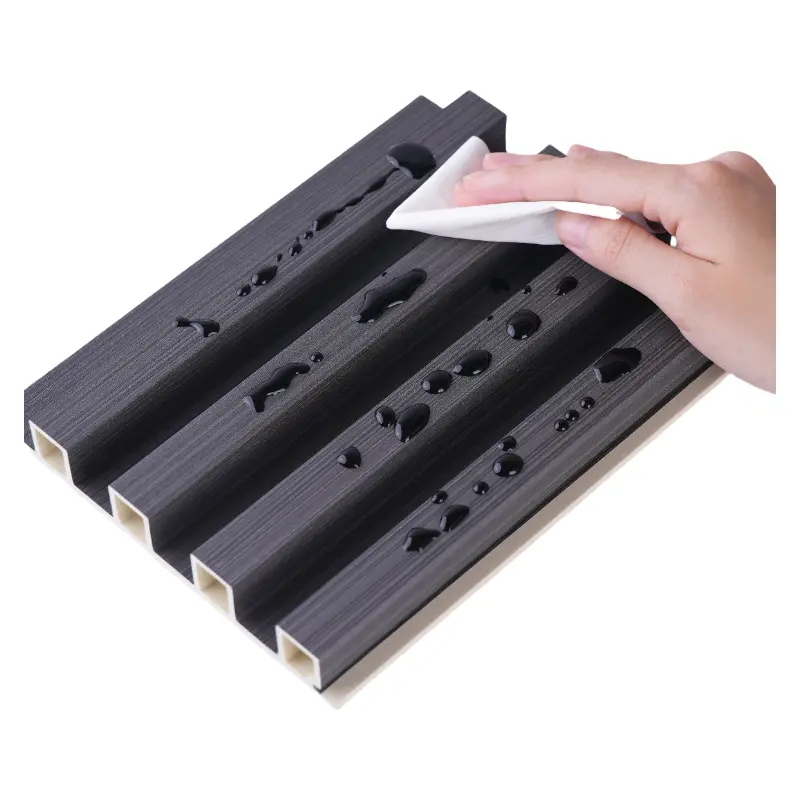
Answers to common questions from commercial buyers, architects, and quality control specialists.
Virgin SPC uses 100% brand-new PVC resin, which results in a stable core that maintains its shape, has high joint strength, and contains no toxic metals. Recycled SPC uses scrap plastics from different sources, which can lead to irregular thermal expansion, brittle click-lock joints, and potential trace heavy metal contamination.
The core is formulated with a high ratio of natural calcium carbonate (CaCO3), which does not burn. During testing, the material carbonizes without producing open flames or releasing toxic smoke, meeting the EN 13501-1 Bfl-s1 standard.
For heavy-traffic commercial areas like hospitals, airports, and universities, we recommend a wear layer of 0.50mm (20 mil) or 0.70mm (28 mil). For typical residential projects, a 0.30mm (12 mil) wear layer offers sufficient durability.
Yes, virgin SPC has excellent thermal stability and conducts heat efficiently. It can be installed over hydronic heating systems, provided the subfloor temperature does not exceed 27°C (80°F).
We operate fully automated batching systems to ensure consistent material ratios. Our team tests samples from each production batch for dimensions, joint strength, and wear resistance, and performs heat tests to monitor potential deformation.
Standard production lead times range from 15 to 25 days depending on the order volume and customization requirements. Our location in Linyi allows us to quickly arrange shipping containers for export through major ports.
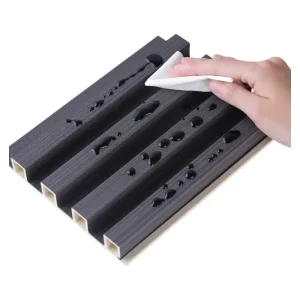
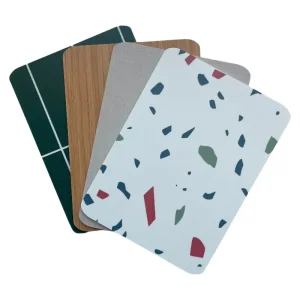
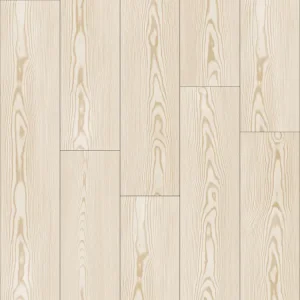
Explore our complete catalog of interior surfacing products, click-lock floorboards, and matching PVC marble sheets.


 Senli New Material