Top UV Panel Manufacturers What Global Buyers Need to Know?

Time:2026-09-10 Author:Amelia
0%

Global buyers rarely select a Uv Panel based on appearance alone. They examine performance, documentation, durability, and supplier reliability. A bright sample can still hide uneven irradiation, weak thermal control, or unstable output. That matters in production environments where every panel must perform consistently.

This guide examines leading UV panel manufacturers and the evidence behind their claims. It considers wavelength accuracy, irradiance stability, cooling design, housing materials, and electrical safety. Buyers should request test reports, calibration records, warranty terms, and production references. Certifications also deserve careful review, because requirements differ across countries and applications. A manufacturer experienced in medical, industrial, or printing equipment may provide stronger technical support than a low-cost trading company.

Price remains important. It is not everything. A cheaper Uv Panel may increase maintenance costs through early LED failure, difficult replacement, or excessive energy use. Site conditions also matter. Dust, humidity, operating distance, and daily working hours can change the purchasing decision. Factory photographs are useful, but they do not replace independent verification or sample testing. No ranking is permanent. Manufacturing quality can change after a supplier expands, changes components, or relies on a new subcontractor. Buyers should therefore reassess suppliers before large orders. The most reliable choice combines measurable performance, transparent communication, responsive after-sales service, and realistic delivery commitments. Mistakes still happen. Good procurement planning makes them visible sooner and easier to correct.
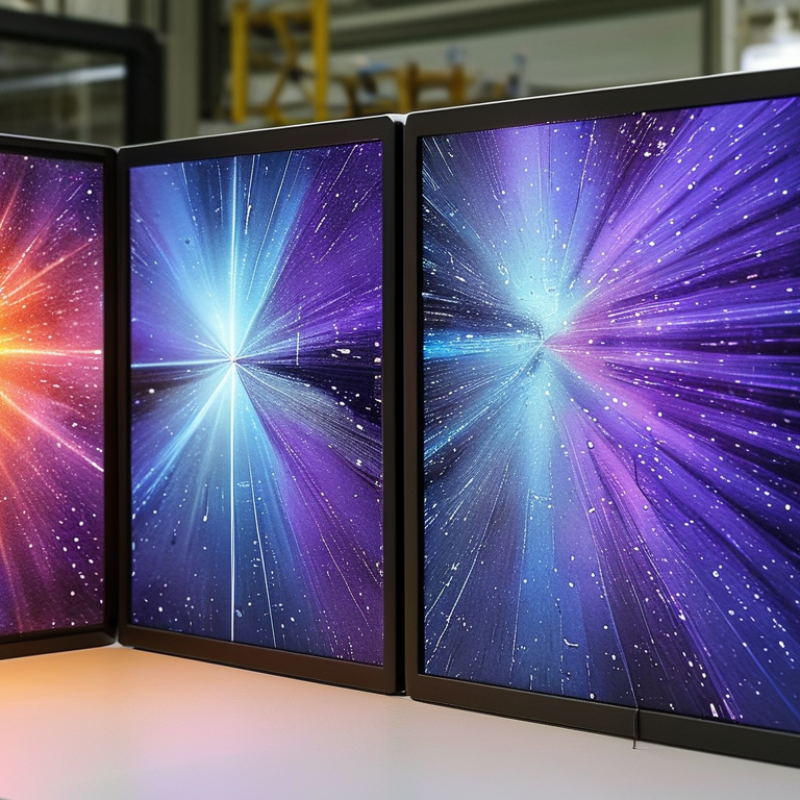
Top UV Panel Manufacturers What Global Buyers Need to Know?

UV Panel Technology and Its Main Industrial Applications

UV Panel Technology and Its Main Industrial Applications

UV panels use ultraviolet LEDs or lamps to deliver controlled radiation across a working surface. Their performance depends on wavelength, irradiance, exposure time, cooling, and panel distance. UVA systems commonly support adhesive curing, ink drying, coating hardening, and composite processing. UVC systems serve controlled disinfection tasks in air, water, and equipment areas. These functions are not interchangeable. Material sensitivity matters.

In production, engineers often adjust panel output to match line speed and resin chemistry. A narrow wavelength may improve curing efficiency when the photoinitiator responds correctly. Poor alignment can leave darker edges or uncured layers beneath the surface. Thermal management also affects LED life and substrate quality. A panel may look powerful but perform unevenly. That mistake is surprisingly common.

Industrial buyers should request irradiance maps, wavelength data, cooling details, and service records. They should also verify shielding, interlocks, warning labels, and worker exposure controls. In printing, uniform UV distribution helps prevent tacky surfaces and color variation. In electronics assembly, controlled curing can strengthen small adhesive joints without excessive heat. In manufacturing inspection, UV illumination can reveal fluorescent residues or surface defects. Validation should use the actual material, distance, and production speed. Laboratory results alone can mislead. Global procurement teams also need reliable documentation, replacement planning, and regional electrical compliance. Performance claims deserve practical testing, not blind trust.

Key Criteria for Evaluating UV Panel Manufacturers

Choosing among top UV panel manufacturers requires more than comparing prices or advertised output. Experienced buyers examine the panel’s wavelength range, irradiance stability, surface coverage, and heat management. Ask for independent test reports, not only factory graphs. A reliable report should identify the testing method, equipment, date, and operating conditions. Small details matter. A panel that overheats after two hours may fail in real production.

Material quality also deserves close attention. Inspect the housing, cable connections, cooling system, and protective coating. Request a sample or arrange a video inspection before placing a large order. Check whether the manufacturer can provide batch records, calibration documents, and clear installation instructions. These records show process control and make technical support easier. Vague answers are warning signs.

Supplier experience should match your application. Ask how similar panels performed under continuous use, dust, humidity, or restricted airflow. Confirm warranty coverage, spare-part availability, response times, and after-sales training. Compliance documents should be current and relevant to your destination market. Do not accept copied certificates without verification. No scorecard is perfect. Even careful buyers can overlook noise, mounting limits, or maintenance access. A better evaluation combines measured data, factory communication, sample testing, and feedback from qualified users.

Leading UV Panel Manufacturing Regions and Supplier Types

Top UV Panel Manufacturers: What Global Buyers Need to Know?

Leading UV panel production is concentrated in East Asia, Europe, and North America. China remains a major manufacturing base because it combines resin processing, printing, coating, and export capacity. Southeast Asia is gaining attention for contract production and regional assembly. Europe supplies higher-specification panels, especially for fire performance and architectural interiors. North American suppliers often focus on engineered, project-specific solutions. UN Comtrade data shows strong international trade in plastic sheets, panels, and laminated products, although UV panels are not always classified separately.

Supplier types vary considerably. Integrated manufacturers control substrates, UV coatings, printing, and quality testing. Contract converters purchase core sheets and add decorative finishes. Distributors usually offer faster delivery, but their technical control may be limited.

MarketsandMarkets reported continued expansion in UV curing technology, supported by demand for faster processing and lower solvent use. Smithers also identifies UV LED curing as a growing production technology. These trends matter because curing quality affects gloss, adhesion, color stability, and surface hardness.

Tips: Request coating thickness, curing method, abrasion results, and batch records. Ask for independent fire and emissions testing. Inspect edge finishing, not only showroom samples. A useful audit checks production lots under cold light and direct sunlight. Small color shifts can become costly. Do not rely on a single laboratory report. Standards and test methods may differ between regions, which remains an overlooked purchasing risk.

Global Standards, Certifications, and Product Quality Checks

Global buyers should evaluate UV panel manufacturers against recognized safety and performance standards, not marketing language alone. Requirements differ by destination, application, and installation environment. Electrical safety, electromagnetic compatibility, restricted substances, and enclosure protection deserve careful review. Certifications should show the testing laboratory, report number, product model, and valid issue date. A certificate without traceable details is weak evidence.

Product quality checks should begin with the emitted wavelength. Ask for measured data, not only the target value. Check irradiance, uniformity, operating temperature, cooling performance, and expected service life. A thermal camera can reveal hot spots during a continuous test. An integrating sensor can expose uneven output across the panel. These practical checks often reveal problems hidden by a clean specification sheet.

Ask for batch records, calibration documents, and change-control procedures. Samples should be tested under realistic voltage, humidity, and operating cycles. Small differences matter. One panel may perform well while another shows unstable output. That possibility is easy to overlook. Factory audits can also examine wiring, insulation, connectors, and final inspection routines. Buyers should compare independent test results with factory data, then document every exception before signing a contract. Standards help, but they do not replace thoughtful verification.

Purchasing, Importing, and Comparing UV Panel Suppliersburugburu

Global buyers often treat UV panels as decorative products, but purchasing decisions involve chemistry, testing, packaging, and import controls. Grand View Research estimated the global decorative laminates market at approximately US$8.5 billion in 2023. This growth attracts more suppliers, yet product quality remains uneven. Request technical datasheets, coating thickness, surface hardness, gloss level, fire rating, and formaldehyde results. A low price means little without comparable specifications.

Ask suppliers for recent production samples. Inspect edge finishing, color consistency, protective film, and resistance to household cleaners. ISO 4892 testing methods can help assess accelerated light and weather exposure. ASTM D3363 is commonly used for coating pencil hardness. These tests do not replace field experience. A panel may perform well in a laboratory but fail after poor installation or humid storage.

Importing requires more than a pro forma invoice. Confirm dimensions, pallet strength, moisture barriers, carton markings, and the correct customs classification with a qualified broker. UN Comtrade data can help buyers review trade flows, but it does not verify individual suppliers. Compare landed cost, not factory price. Include inspection fees, inland transport, duties, breakage, and replacement time. I would also request batch traceability and a written tolerance for color variation. Some suppliers resist this. That hesitation deserves attention, though it is not automatic proof of poor quality. Suppliers should be compared through evidence, not polished catalogs.

FAQS

: What is a UV panel?

: A UV panel uses ultraviolet LEDs or lamps to deliver controlled radiation across a working surface. It depends on wavelength, irradiance, exposure time, distance, and cooling.

Which industrial tasks use UVA panels?

UVA panels commonly support adhesive curing, ink drying, coating hardening, and composite processing. They can strengthen small adhesive joints without creating excessive heat.

Can one UV system handle every application?

No. UVA and UVC systems serve different purposes. Material sensitivity also matters. Using the wrong wavelength may leave surfaces tacky or layers uncured.

How can manufacturers improve curing consistency?

Engineers should match panel output with line speed and resin chemistry. Correct photoinitiator response is important. Poor alignment may create darker edges or weak curing beneath the surface.

Why is cooling important for UV panels?

Effective cooling supports stable output and longer LED life. It also protects the substrate from unwanted heat. A powerful-looking panel may still perform unevenly.

What technical information should buyers request?

Request irradiance maps, wavelength data, cooling details, and service records. Ask for test methods, equipment details, test dates, and operating conditions. Factory graphs alone may mislead.

What safety and compliance details matter?

Check shielding, interlocks, warning labels, and worker exposure controls. Confirm electrical compliance for the destination market. Documents should be current and verifiable.

How should a UV panel be tested before purchase?

Test the actual material at the intended distance and production speed. A sample or video inspection can reveal housing, cable, and cooling problems. Laboratory results are useful, but not enough.

What supplier support should industrial buyers evaluate?

Review warranty coverage, spare-part availability, response times, and training. Ask about operation in dust, humidity, and restricted airflow. Maintenance access is easy to overlook.

Is there a perfect supplier evaluation scorecard?

No. A scorecard cannot reveal every production problem. Noise, mounting limits, and overheating may appear later. Measured data and practical testing remain necessary.

Conclusion

The global Uv Panel market serves industries such as signage, interior decoration, furniture, construction, retail displays, and customized printing. These panels are valued for their smooth surfaces, visual quality, durability, and compatibility with ultraviolet-curable inks. When evaluating manufacturers, buyers should examine panel composition, surface performance, dimensional accuracy, color consistency, production capacity, customization options, technical support, and delivery reliability. A supplier’s ability to maintain stable quality across large orders is often as important as its quoted price.

Leading production regions include established industrial centers with strong material-processing expertise, as well as emerging manufacturing areas offering flexible production and competitive costs. Buyers should review relevant international standards, environmental documentation, quality-control procedures, and test reports covering adhesion, abrasion, weather resistance, and safety. During purchasing and importing, it is important to compare specifications, packaging, minimum order quantities, lead times, shipping terms, after-sales service, and total landed costs. A structured supplier comparison helps global buyers reduce risks and select dependable products for long-term applications.

Amelia

Amelia

Amelia is a seasoned marketing professional with a wealth of expertise in our company’s core offerings. With an unwavering passion for driving growth and innovation, she plays a pivotal role in shaping our marketing strategies and enhancing brand visibility. A key aspect of her responsibilities......