Choosing the right Interior WPC Wall Panel can transform your space dramatically. Experts in the industry emphasize the importance of quality and design in these panels. Alex Turner, a leading specialist in WPC design, once said, “A well-chosen wall panel not only enhances aesthetics but also promotes sustainability.” This highlights the dual benefits of opting for WPC panels.
When considering your options, reflect on the panel's durability and style. Interior WPC Wall Panels come in various finishes that mimic natural wood or modern textures. Each choice presents unique benefits and potential drawbacks. For instance, while some may favor natural looks, others might prefer contemporary patterns that suit modern decor.
As you navigate through the myriad of options, contemplate the long-term implications of your selections. Factors like maintenance, environmental impact, and installation ease can significantly influence your decision. The process may feel overwhelming, but understanding your priorities can help clarify what you truly need in an Interior WPC Wall Panel. Remember, each panel is a piece of your home’s story, so choose wisely.
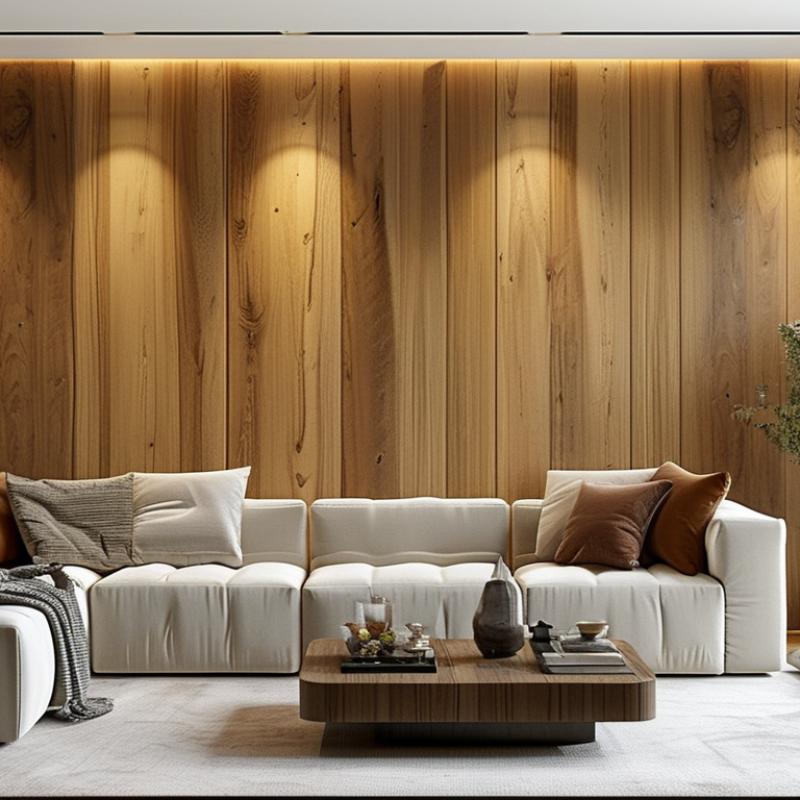
Understanding WPC Wall Panels: Definition and Features
WPC wall panels, or Wood Plastic Composite panels, are gaining traction in interior design. These products combine wood fibers and plastics, resulting in durable and moisture-resistant panels. A report by MarketsandMarkets indicates that the WPC market is projected to reach $10.8 billion by 2026. This growth highlights their popularity and signaling the need for informed choices.
When selecting WPC wall panels, consider their features. They are lightweight yet strong, making installation easier. Most panels come with a variety of finishes that mimic real wood. This versatility allows for creative designs in both residential and commercial spaces. Furthermore, they are low-maintenance; a simple wipe-down is often enough to keep them looking good. However, not all panels perform equally in terms of durability and resistance to wear. Brands may vary widely in quality, and this can affect longevity.
While the advantages are many, there are also drawbacks. Some panels may not hold up well in extreme temperature fluctuations. This is crucial for regions with harsh climates. Additionally, finding an eco-friendly option can be challenging, as some products may contain non-recyclable materials. As the industry evolves, more sustainable choices are beginning to emerge, but awareness remains a concern. Choosing the right WPC panel requires weighing these aspects carefully.
Benefits of Choosing WPC Wall Panels for Interior Design
WPC wall panels, made from wood-plastic composites, are gaining traction in interior design. Their unique combination of materials provides an eco-friendly alternative to traditional wood. According to a report from Smithers Pira, the global market for WPC products is projected to grow by more than 12% annually over the next five years. This reflects a rising preference for sustainable building materials.
The benefits of choosing WPC wall panels are significant. They are moisture-resistant, which helps prevent mold growth. In bathrooms and kitchens, this feature is especially useful. Additionally, WPC panels offer excellent insulation properties. This can reduce energy costs significantly. A study from the US Department of Energy indicates that proper insulation can save homeowners upwards of 30% on energy bills annually.
However, not every WPC product is created equal. Some may not achieve the same level of durability as others. It's vital to consider the manufacturing processes used. Panels with lower quality materials may warp or fade over time. Investing in high-quality options can provide long-term benefits. Interior designers should weigh these factors carefully when selecting the best panel for their projects.
Key Factors to Consider When Selecting WPC Wall Panels
When selecting WPC wall panels, there are critical factors to consider. One important aspect is durability. According to a report by the Wood Plastic Composite Market Research, WPC materials can withstand extreme weather conditions. They resist moisture, insects, and decay, making them suitable for various environments.
Another factor is maintenance. WPC wall panels require minimal upkeep compared to traditional wood panels. They do not need painting or sealing, reducing long-term costs. A study by the industry analysts indicates that homeowners can save up to 30% on maintenance expenses with WPC panels.
Aesthetic appeal should not be overlooked. WPC panels come in various textures and colors, allowing for personalized design choices. However, it is crucial to choose panels that maintain colorfastness over time. Some products may fade or discolor, leading to potential dissatisfaction. Testing samples in different lighting conditions can provide valuable insights.
Lastly, ensure compliance with safety standards. Check certifications to confirm they meet fire resistance and environmental impact requirements. A product’s certification can reflect its quality and reliability. Balancing these factors is essential to making an informed decision that meets both practical and aesthetic needs.
Different Styles and Finishes of WPC Wall Panels
When selecting WPC wall panels, the variety of styles and finishes plays a crucial role. Wood-plastic composite (WPC) materials offer aesthetics similar to natural wood while ensuring durability. According to the American Wood Council, trends show a 20% increase in the demand for sustainable wall paneling solutions. This shift reflects a growing preference for eco-friendly materials.
The finishes of WPC wall panels can vary significantly. Options range from matte to glossy surfaces. Textured finishes can replicate natural materials like stone or wood grain. A report from MarketsandMarkets indicates that textured finishes account for over 30% of WPC product sales. These finishes contribute to both visual appeal and tactile experiences in interior spaces.
Color variations also enhance design flexibility. Neutral tones are popular for modern settings, while bold colors can make a statement in creative environments. Yet, selecting a color can be challenging. Not all colors fit every decor style. It is essential to consider existing elements in the space. Ultimately, choosing WPC wall panels involves careful thought about design and function.
Installation and Maintenance Tips for WPC Wall Panels
WPC (Wood-Plastic Composite) wall panels offer a stylish and durable option for interior design. Installation is crucial for maximizing their benefits. Ensure that the surface is clean and dry before starting. This prevents moisture from seeping in and helps the panels adhere better. Measure your space carefully for precise cuts. Remember, cutting mistakes can lead to wasted materials.
One effective method to secure the panels is to use a fastening system. Some panels snap into place, while others might require screws. Maintaining a level and straight line is important throughout the installation. Additionally, using spacers can help achieve uniform gaps between panels.
For maintenance, regular cleaning is essential. A simple wipe with a damp cloth can remove dust and stains. Avoid harsh chemicals, as they may damage the surface. Over time, you may notice some fading. This is natural but can be managed with appropriate care. Keeping the panels dry will extend their lifespan. Consider reapplying sealants every few years for added protection.
2026 WPC Wall Panel Popularity by Material Type
FAQS
: WPC wall panels consist of wood fibers and plastics. This combination results in durable and moisture-resistant materials.
Yes, they are lightweight yet strong, making installation much easier.
Some WPC panels may struggle with extreme temperature changes. This can affect their durability in challenging environments.
Maintenance is simple; usually, a quick wipe-down keeps them looking good.
Yes, they are available in a variety of finishes and colors, mimicking natural wood or stone textures.
Proper insulation from WPC panels can potentially save homeowners over 30% on energy bills.
Not necessarily. Some may contain non-recyclable materials, making it hard to find sustainable options.
Lower quality panels may warp or fade, affecting both appearance and longevity.
Yes, their moisture-resistant properties make them effective at reducing mold growth, especially in wet areas.
Consider existing decor elements; not all colors work with every style. It's a thoughtful decision.
Conclusion
Choosing the best interior WPC wall panel involves understanding its definition and unique features, which include durability and moisture resistance. WPC (Wood-Plastic Composite) wall panels offer numerous benefits for interior design, such as aesthetic appeal and environmental sustainability.
When selecting interior WPC wall panels, key factors to consider include the panel's style, finish, and the specific aesthetic requirements of your space. Different styles and finishes can enhance the visual impact of a room while ensuring the functionality of the panels. Additionally, proper installation and maintenance tips are crucial to ensure the longevity and performance of the interior WPC wall panels, making them an excellent investment for any interior project.

 Senli New Material