10 Essential Tips for Choosing Indoor WPC Wall Cladding?

Time:2026-05-16 Author:Aria
0%

When selecting Indoor WPC Wall Cladding, the decision can be overwhelming. The market has seen significant growth, with projected revenues of about $4.6 billion by 2027. This material combines the aesthetic appeal of wood with the durability of plastic, making it ideal for indoor environments.

Understanding the installation process, maintenance, and environmental impact is crucial. Recent studies revealed that WPC materials can reduce carbon emissions by 30% compared to traditional wall materials. Yet, quality varies significantly between brands. Choosing the right supplier is essential for long-term satisfaction.

Inconsistencies in texture, color, and durability can lead to regrettable choices. Homeowners often overlook these factors, resulting in costly replacements. While Indoor WPC Wall Cladding offers many advantages, careful consideration is necessary to ensure a successful investment.
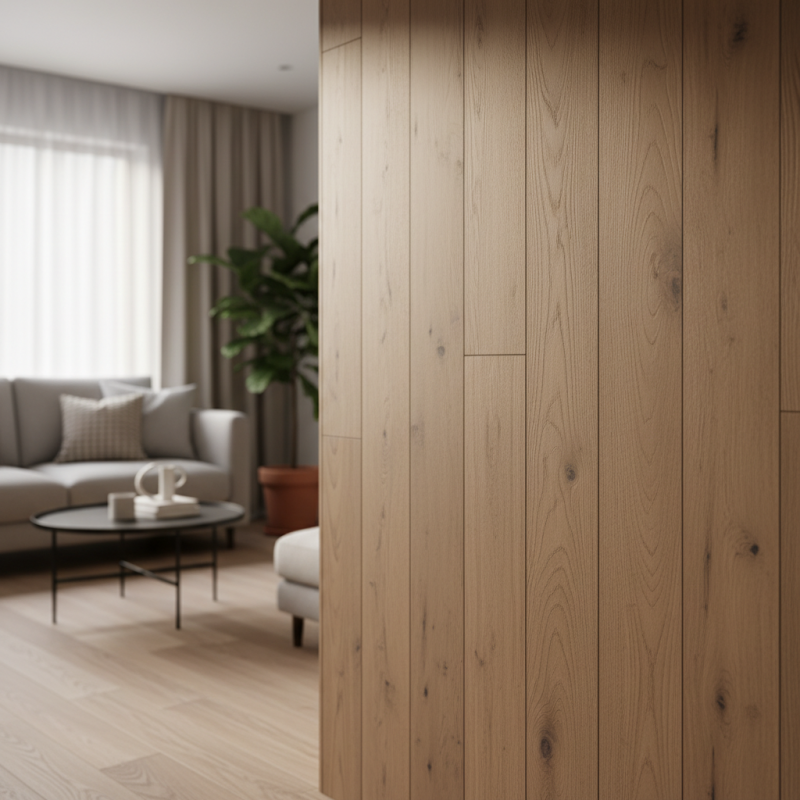
10 Essential Tips for Choosing Indoor WPC Wall Cladding?

Understanding WPC Wall Cladding: Composition and Benefits

WPC wall cladding combines wood and plastic for enhanced durability. It typically contains about 60% wood fibers and 40% thermoplastics. This mixture creates a material that is resistant to rot, moisture, and pests. Unlike traditional wood, WPC does not warp easily. This makes it a reliable choice for various indoor environments.

The benefits of WPC wall cladding are numerous. It offers a stunning aesthetic that mimics natural wood. However, real wood's uniqueness is sometimes lost in uniformity. WPC also requires less maintenance, which can be appealing for busy homeowners. Despite these advantages, some people might dislike the plastic feel of certain WPC products.

Environmental concerns arise with WPC cladding too. While it incorporates recycled materials, the manufacturing process involves energy use and emissions. Buyers need to weigh these factors carefully. Deciding on WPC wall cladding requires balancing beauty, practicality, and environmental impact. Choosing the right product can be challenging, but understanding its composition helps.

Key Aesthetic Considerations for Indoor WPC Wall Cladding Selection

When selecting indoor WPC wall cladding, aesthetic considerations are paramount. This material combines the natural beauty of wood with technological advances. A study by the National Association of Home Builders confirms that homeowners prioritize aesthetics, with 75% viewing style as a key purchasing criterion. Selecting the right color and texture plays a significant role in achieving a cohesive design.

Textures can evoke emotions and set the tone of a space. For instance, smooth finishes provide a modern look. In contrast, embossed textures can create a warm, rustic feel. According to a report by Technavio, aesthetic appeal influences consumer preferences; nearly 67% of users emphasize texture in their decision-making process. Shades should complement existing decor. Choosing a neutral palette often leads to greater versatility, but bold colors can add a striking focal point.

Lighting also impacts the perception of WPC wall cladding. Natural light can enhance finishes, making them more vibrant. Review how artificial lighting interacts with your chosen cladding. Reflective surfaces may seem too harsh under certain lights, while matte finishes offer a softer appearance. Considerations like these reveal the need for careful planning. Without a solid strategy, the desired ambiance can be compromised.

10 Essential Tips for Choosing Indoor WPC Wall Cladding

This bar chart illustrates the importance level of various aesthetic considerations for indoor WPC wall cladding selection. Each factor is rated from 1 to 10, indicating its significance in the decision-making process.

Evaluating Durability and Maintenance Requirements of WPC Materials

When choosing indoor WPC wall cladding, durability is a key concern. WPC, or Wood-Plastic Composite, is designed to resist moisture and pests. Yet, not all WPC materials perform equally. It's essential to check the specifications. Look for high-density options; they tend to last longer.

Maintenance is equally important. WPC products typically require less upkeep than traditional wood. Regular cleaning with mild soap and water suffices. Avoid harsh chemicals. They can damage the material. Keep an eye out for any signs of wear and tear. A small scratch can lead to bigger problems if not addressed promptly.

Tip: Consider the environment where the cladding will be installed. Areas with high humidity may need more robust choices. Pay attention to warranties offered by manufacturers. This often reflects the product's overall durability. A longer warranty can indicate greater confidence in the material's performance.

10 Essential Tips for Choosing Indoor WPC Wall Cladding

Tip Description Durability Rating Maintenance Requirements
1. Material Selection Choose high-quality WPC materials that are resistant to warping and rotting. 8/10 Low, clean with mild soap.
2. Color Options Select colors that complement your indoor décor. N/A None, as color selection is a design choice.
3. Surface Finish Look for finishes that enhance durability and aesthetics. 9/10 Regular dusting and occasional polishing.
4. Installation Method Consider ease of installation; some WPC cladding can be installed by DIY. 5/10 Minimal, just ensure proper alignment.
5. Eco-Friendliness Choose WPC made from recycled materials for sustainability. 7/10 None, regular care as needed.
6. Water Resistance Ensure the material is waterproof for interior moisture areas. 8/10 Low, occasional wipe down required.
7. Fire Resistance Check if the WPC has a fire-retardant rating for safety. 7/10 None beyond general precautions.
8. Warranty Look for products that come with a warranty for added assurance. N/A None, but important for purchase decision.
9. Cost-Effectiveness Evaluate the price vs. the quality and durability of the product. 6/10 Moderate, based on use and application.
10. Brand Reputation Research brands for customer reviews to ensure reliability. N/A None, but affects purchase decisions.

Color, Texture, and Design Options for a Cohesive Interior Look

When selecting indoor WPC wall cladding, color plays a vital role in achieving a cohesive interior look. Light colors can make a room feel more spacious and airy, while darker shades add warmth and intimacy. Consider the existing color palette in the room for better harmony. If your furniture is vibrant, opt for neutral tones to avoid overwhelming the space.

Texture is another key factor. The tactile feel of the wall cladding can affect the room's atmosphere. Smooth finishes impart a modern feel, while wood-like textures add rustic charm. Experimenting with different textures can elevate the design.
Mixing various textures can create interest, but it’s essential to maintain balance.

The design of the WPC wall cladding should complement your overall aesthetic. Geometric patterns bring a contemporary flair, while more traditional designs offer timeless elegance. Reflect on how the chosen design interacts with your decor. This consideration can enhance the visual appeal but may require some revision of your initial choices.

Selecting WPC wall cladding is not just about appearance; it’s about how every detail works together to create a unified environment.

Cost-Effectiveness and Installation Factors in Choosing WPC Cladding

When selecting indoor WPC wall cladding, cost-effectiveness stands out as a pivotal factor. According to industry reports, WPC (Wood Plastic Composite) cladding can save homeowners up to 30% in maintenance costs compared to traditional wood options. This material combines wood fibers and recycled plastics, providing a durable alternative that withstands moisture and pests, common issues in indoor environments.

Installation is another critical consideration. Research indicates that WPC cladding can reduce installation time by as much as 50%. It is typically lighter and easier to handle than traditional materials. However, it's essential to choose experienced installers. Improper installation may lead to costly repairs down the line.

Understanding local climate conditions is also vital. WPC can expand or contract with extreme temperatures, so proper fitting techniques are necessary for longevity.

While WPC offers numerous advantages, not all products are created equal. Some manufacturers may use lower-quality materials, impacting durability and aesthetics. It’s important to investigate the warranty period offered, as it often reflects the manufacturer's confidence in their product. Engaging with professionals who specialize in WPC can provide insights that lead to better decision-making in your cladding project.

FAQS

: What is WPC wall cladding?

: WPC stands for Wood-Plastic Composite, combining wood fibers and plastic. It's designed for durability and moisture resistance.

How do I choose durable WPC materials?

Look for high-density options. They typically last longer than lower-density materials.

What maintenance does WPC wall cladding require?

WPC needs regular cleaning with mild soap and water. Avoid harsh chemicals to prevent damage.

What should I watch for in WPC materials?

Check for signs of wear and tear. Small scratches, if ignored, can lead to larger problems.

How does color affect indoor spaces?

Light colors can make a room feel airy. Darker shades add warmth. Choose according to your existing decor.

Can texture impact the room's atmosphere?

Yes, smooth finishes create a modern feel, while wood-like textures add rustic charm. Mixing textures can add interest.

Should design patterns be considered when choosing WPC?

Definitely. Geometric patterns offer contemporary flair, while traditional designs provide timeless elegance.

Is it important to consider the environment for installation?

Yes, especially in humid areas. Choose robust WPC options for better performance.

How can warranties reflect material quality?

Longer warranties often indicate greater confidence in the product's durability and performance.

Are there risks when selecting WPC materials?

Yes, rushing the choice can lead to mismatched aesthetics. Reflect on how each detail interacts with your decor.

Conclusion

Indoor WPC wall cladding is becoming increasingly popular due to its unique composition and various benefits. Understanding how WPC (Wood Plastic Composite) is made and its advantages, such as resistance to moisture and pests, is crucial when selecting wall cladding for indoor spaces. Key aesthetic considerations like color, texture, and design options play a significant role in creating a cohesive interior look, ensuring that the cladding complements the overall decor.

Additionally, evaluating the durability and maintenance requirements of indoor WPC wall cladding will help homeowners or designers make informed decisions that align with their lifestyle. It's essential to consider cost-effectiveness and installation factors to determine the best fit for a space, balancing quality with budget. By taking these aspects into account, one can successfully choose the ideal indoor WPC wall cladding that enhances both style and functionality in any interior environment.


Aria

Aria

Aria is a dedicated marketing professional with a deep passion for innovative strategies and a keen understanding of our company's product offerings. With a wealth of experience in the industry, Aria excels at crafting engaging content that highlights the unique features and benefits of our......