Choosing the right flooring for your home can be overwhelming. Spc Plank Flooring has gained popularity recently. According to a report by Market Research Future, the global SPC flooring market is projected to grow significantly, reaching a valuation of USD 2.5 billion by 2026. This statistic highlights its increasing acceptance among homeowners.
Spc Plank Flooring offers durability and a wide range of styles. It is waterproof, making it ideal for kitchens and bathrooms. However, not all SPC products are created equal. Some may lack adequate durability or aesthetic appeal. You should pay attention to the thickness of the planks and the quality of the wear layer, which can impact long-term performance.
Selecting the right SPC flooring involves considering your lifestyle and design preferences. Those with pets or children might require more durable options. Additionally, examine environmental certifications for a safer choice. Take time to explore different brands and reviews, as not all SPC flooring will meet your expectations.
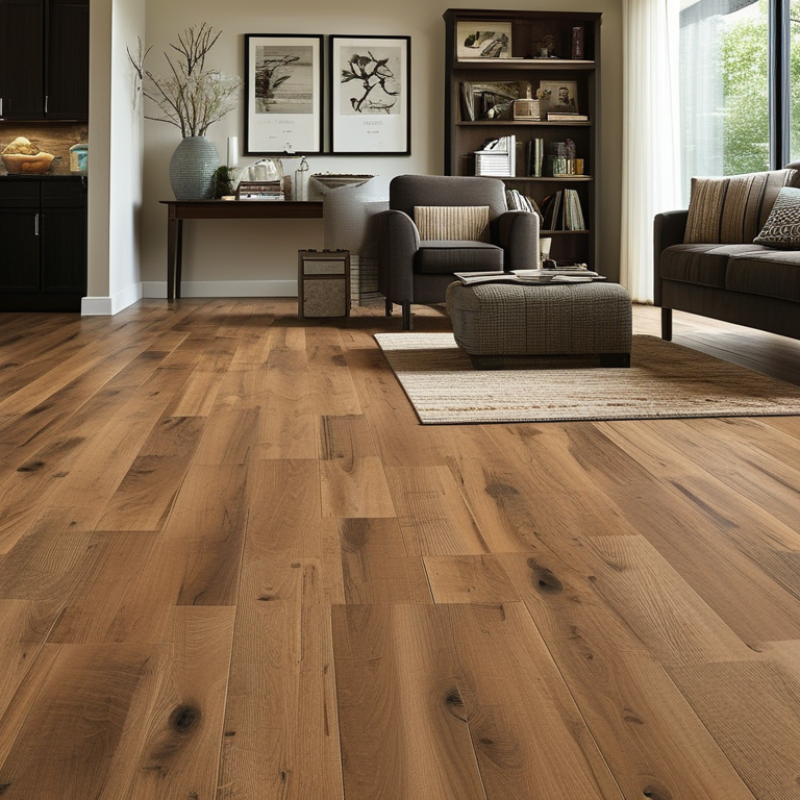
Understanding SPC Plank Flooring: What It Is and Its Benefits
SPC plank flooring stands out for its durability and aesthetic appeal. This type of flooring combines natural stone powder and PVC. It’s resistant to moisture and wear, making it suitable for various home environments. Choosing SPC flooring brings both style and practicality to your space.
When selecting SPC plank flooring, consider the texture and design. Some options mimic hardwood, while others offer bold, modern visuals. A well-chosen floor can harmonize with your home's overall look. Think about how colors and patterns will complement your existing decor.
Tips: Always request a sample before purchasing. Seeing the flooring in your home’s lighting helps in making better choices. Measuring your space accurately is key. You don’t want to buy too much or too little. Remember, installation can be tricky, especially for DIY enthusiasts. Seek professional help if you're unsure.
The benefits of SPC flooring go beyond aesthetics. It is easy to clean and maintain. This flooring option is also more affordable than traditional hardwood. Consider your family’s lifestyle and needs when making a choice. Each home is unique, and your flooring should reflect that.
Evaluating Your Space: Size, Style, and Functionality Considerations
When selecting SPC plank flooring, evaluating your space is crucial. Start by considering the size of your rooms. Larger spaces can handle wider planks, while smaller areas may feel cramped. Choosing the right width can create an illusion of space. Also, think about the layout. Open concepts benefit from a uniform look, while defined spaces can use different plank styles for contrast.
Next, consider the style of your home. A modern design might favor sleek, minimalistic planks. Rustic homes may look better with textured, hand-scraped finishes. It's important to match flooring with existing elements like furniture and decor. These details enhance the overall aesthetic and ensure cohesion.
Functionality is another key factor. High-traffic areas require durable options. Think about messes that may occur, especially in kitchens or playrooms. Waterproof features can provide peace of mind in areas prone to spills. Remember, flooring is not just about looks; it must perform well in everyday life. Reflect on these needs before making a decision.
Selecting the Right Thickness and Wear Layer for Your Needs
When selecting SPC plank flooring, thickness and wear layer are crucial. The thickness typically ranges from 4mm to 8mm. Thicker planks provide better insulation and stability. They can handle foot traffic more effectively. However, thicker flooring may come at a higher cost. Assess your needs: Do you have pets or kids? Thicker flooring might be a wise choice.
The wear layer protects your flooring from scratches and stains. It varies from 0.3mm to 0.7mm or more. A thicker wear layer is ideal for high-traffic areas. A thinner layer might suffice in low-traffic rooms. Yet, overestimating your needs can lead to unnecessary spending. Consider your actual lifestyle before making a decision.
It's also essential to think about the installation environment. Humidity and temperature can affect how the flooring performs. For instance, a thicker plank may offer more flexibility in fluctuating climates. Reflect on your home's unique conditions. The choice should align with both practicality and your aesthetic preferences. Balancing these factors can lead to a satisfying result.
Choosing Flooring Colors and Patterns to Match Your Interior Design
Choosing the right colors and patterns for SPC plank flooring can significantly enhance your home's interior design. It’s essential to consider how these choices will complement your current decor. Light colors often create a spacious feel, making smaller rooms look larger. Darker shades, on the other hand, add warmth and richness. A balance between the two can be effective in larger spaces.
Patterns play a crucial role in visual interest. Consider wood-look designs for a classic feel or patterned tiles for a contemporary look. Subtle patterns add depth without overwhelming the space. However, a bold pattern may clash with existing furniture. It can create a chaotic atmosphere, so think carefully about the overall aesthetic.
Personal preferences matter, yet they shouldn’t overshadow practicality. If you have pets or kids, darker colors might hide stains better. Alternatively, lighter colors can accentuate the design but may require more maintenance. Reflecting on the lifestyle of your household can guide your ultimate decision. Remember, every choice comes with trade-offs, and understanding these can lead to a more satisfying outcome.
How to Choose Spc Plank Flooring for Your Home? - Choosing Flooring Colors and Patterns to Match Your Interior Design
| Dimension |
Details |
| Material Type |
SPC (Stone Plastic Composite) |
| Thickness |
4mm to 8mm |
| Water Resistance |
100% waterproof |
| Installation Method |
Click-lock system |
| Texture Options |
Smooth, embossed, hand-scraped |
| Color Variations |
Light oak, dark walnut, grey driftwood |
| Suitable Rooms |
Living room, kitchen, bathroom, basement |
| Maintenance |
Easy to clean, no waxing needed |
| Eco-Friendliness |
Made from recycled materials, low VOC emissions |
Assessing Installation Methods: DIY vs. Professional Installation Options
When deciding between DIY and professional installation for SPC plank flooring, several factors come into play. DIY projects can be empowering. You gain hands-on experience and save on labor costs. However, it's crucial to assess your skill level and the project's complexity. If you're not comfortable with tools or flooring techniques, you may face challenges. Mistakes in measurements or cuttings can lead to wasted materials.
On the other hand, professional installation brings expertise. Professionals can ensure a perfect fit and finish, which is essential for a long-lasting floor. Their experience can minimize the risks of damage, especially in tricky areas like corners or transitions. However, hiring professionals can be costly. Understand the balance between the cost and the quality of work. These factors could significantly impact your final choice.
Consider your time availability as well. DIY projects often take longer, especially if you juggle other responsibilities. A professional can typically complete the job faster. Weighing these pros and cons is vital for a satisfactory flooring experience. Think about the effort you're willing to invest, and be honest about your limitations. Making an informed choice sets the foundation for the flooring's longevity in your home.
Installation Methods for SPC Plank Flooring
This chart illustrates the preference percentage between DIY installation and professional installation of SPC plank flooring, showing that 60% of homeowners prefer to hire professionals while 40% opt for a DIY approach.
Conclusion
Choosing SPC plank flooring for your home involves several key considerations to ensure it meets your needs and complements your living space. First, it's important to understand what SPC plank flooring is, including its advantages such as durability and water resistance. Evaluating your space is crucial—take into account the size, style, and functionality to make the best choice.
Next, selecting the right thickness and wear layer is vital for durability, especially in high-traffic areas. The colors and patterns available can significantly impact your interior design; therefore, consider how they align with your overall aesthetic. Lastly, assessing installation methods will determine whether to pursue a DIY project or hire professionals for a seamless finish. By considering these aspects, you can confidently choose the perfect SPC plank flooring for your home.

 Senli New Material