Choosing among China’s top SPC wall panel suppliers requires more than comparing catalog prices. Global buyers need stable quality, clear communication, and evidence that a factory can meet project requirements. Spc Wall Panel products may look similar online, yet their cores, surface films, locking systems, and fire-performance results can differ significantly. A reliable supplier should explain these differences in practical terms.
This guide introduces the main factors for evaluating Chinese manufacturers and exporters. It considers production capacity, raw material control, dimensional accuracy, moisture resistance, and surface durability. Factory experience also matters. Ask how often the supplier serves hotels, apartments, offices, or retail interiors. Request recent samples, technical data sheets, inspection records, and independent test reports where appropriate. A professional supplier will not avoid detailed questions.
Look closely.
Packaging and after-sales support deserve equal attention. Damaged corners, inconsistent colors, or incomplete installation guidance can create expensive delays at the job site. Buyers should confirm carton protection, pallet standards, replacement policies, lead times, and export documentation before placing an order. Supplier verification may include a video audit, third-party inspection, or an in-person factory visit. These steps cannot remove every risk, but they make decisions more measurable.
The strongest supplier is not always the cheapest one. A lower quotation may exclude accessories, testing, or protective packaging. That point is easy to miss. This overview also encourages buyers to compare total project cost, not only the unit price. Some recommendations may need further checking because factory capabilities and market conditions change. Careful verification remains essential for every international purchase.
SPC wall panels are rigid boards made from stone powder, PVC, and stabilizers. Their dense core resists moisture, dents, and daily cleaning. Unlike ordinary decorative sheets, they keep a stable shape across kitchens, bathrooms, offices, and retail interiors. The surface can imitate marble, wood, or concrete with surprising detail. Still, “waterproof” does not mean every installation problem disappears.
Global buyers often choose SPC because it reduces maintenance and speeds up interior renovation. Panels can be cut with common tools and installed over a prepared, level surface. A slightly uneven wall may create visible gaps. That small detail is easy to underestimate. Experienced installers usually check wall moisture, expansion space, corner alignment, and adhesive compatibility before fixing panels. They also keep cartons indoors for acclimatization, especially after long shipping.
For buyers comparing China-based suppliers, practical evidence matters more than attractive catalog images. Request physical samples, thickness measurements, surface-wear data, fire-performance documents, and production photographs. Check whether colors remain consistent between batches. Ask how the supplier controls core density and panel flatness. Packaging deserves attention too; damaged corners can turn a good order into expensive waste. SPC is durable, but it is not indestructible. Heavy impact, poor cutting, or unsuitable adhesive can still cause failure. A careful supplier should explain these limits clearly, not promise perfection.
SPC wall panels generally combine a protective surface, decorative layer, rigid stone-polymer core, and balancing layer. This representative 4 mm construction illustrates the approximate thickness contribution of each layer; exact specifications vary by product and application.
The rigid SPC core provides dimensional stability and moisture resistance, while the surface layers support visual design, scratch protection, and easier maintenance.
SPC wall panels use a rigid core made mainly from limestone powder, PVC resin, and processing stabilizers. The calcium carbonate adds hardness, while PVC supports flexibility and surface bonding. A reliable formula must balance both materials. Excess mineral content can make panels brittle. Too much resin may reduce rigidity and raise costs.
The structure usually includes a decorative film, wear layer, printed surface, SPC core, and backing layer. Some panels also use locking edges or reinforced grooves for faster installation. During factory inspections, I check panel thickness, edge accuracy, color consistency, and core density. A panel should remain stable after temperature changes, not only look attractive under showroom lights. Water resistance is useful, but it does not mean unlimited moisture protection. Poor wall preparation can still cause movement, gaps, or adhesive failure. This part is often underestimated.
Tips: Request full cross-section samples and recent test reports. Compare bending strength, dimensional stability, surface wear, fire behavior, and formaldehyde emissions. Ask how suppliers control batch variation. A first sample may be excellent, yet later production can differ. Measure several cartons, not just one panel. Packaging also matters; crushed corners can turn a sound product into installation waste. Suppliers with clear specifications, traceable inspections, and practical installation guidance are generally more dependable for global projects.
China-based SPC wall panel suppliers typically manufacture panels through a controlled, multi-stage process. The core formula combines limestone powder, PVC resin, stabilizers, and processing additives. Grand View Research estimated the global PVC flooring market at over USD 10 billion in 2023, reflecting strong demand for durable polymer-based surfaces. SPC wall panels benefit from similar material advantages, including moisture resistance and dimensional stability.
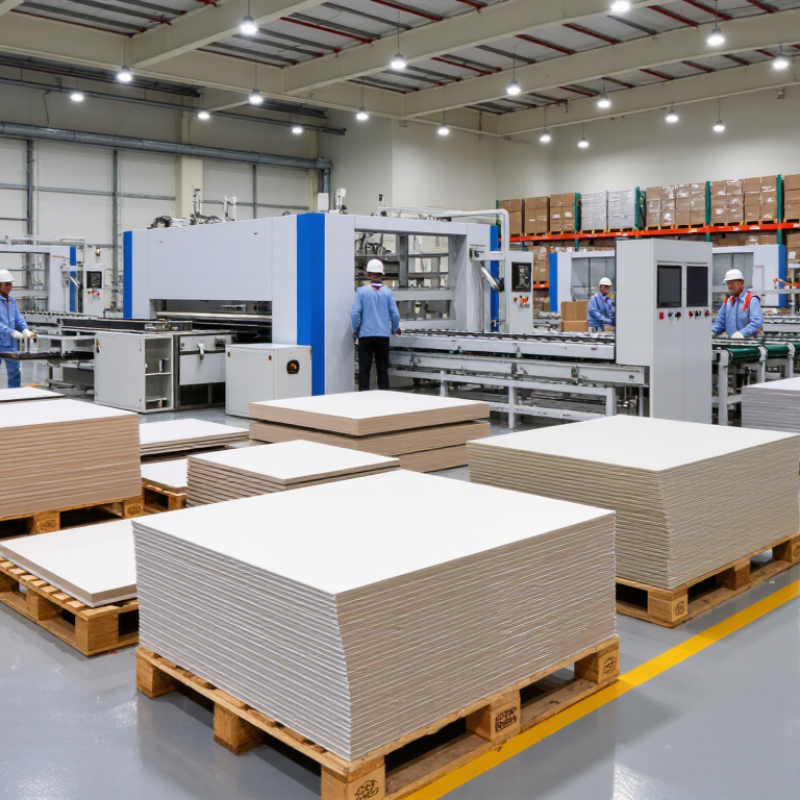
Production usually begins with high-speed mixing and thermal compounding. The blended material enters an extruder, where heat and pressure form a dense core sheet. A decorative film is then laminated onto the surface, followed by a transparent wear layer or UV coating. Many factories use embossing rollers to create woodgrain or stone textures. The result should feel structured, not artificially glossy.
Quality control requires more than visual inspection. Suppliers commonly check thickness, density, surface adhesion, water absorption, color consistency, and locking accuracy. ASTM and ISO test methods can support these evaluations, although testing practices differ between factories. Reports from Intertek and other independent testing organizations emphasize traceable sampling for reliable construction-material results. In practice, a supplier may inspect every production batch, yet small variations can still appear near panel edges. That weakness deserves attention.
Modern plants often use automated cutting, CNC grooving, and digital color matching. Manufacturing data from Mordor Intelligence identifies Asia-Pacific as a major growth region for resilient flooring, supported by expanding construction activity. However, buyers should review test reports, production records, and retained samples before approving large orders. A polished showroom sample is not enough. Density matters. Surface bonding matters more.
China’s leading SPC wall panel suppliers should prove performance, not only present glossy samples. Grand View Research estimated the global luxury vinyl flooring market at about USD 29.6 billion in 2023. That growth reflects stronger demand for resilient, low-maintenance surfaces, including SPC-based products. However, wall panels face different risks. Moisture, impact, heat, and joint movement need separate evaluation.
A reliable supplier should provide batch records, thickness measurements, and test results from accredited laboratories. Useful benchmarks include ASTM E84 for surface burning, ASTM D638 for tensile properties, and ASTM D256 for impact resistance. EN 13501-1 may support fire classification in European projects. ISO 9001 certification indicates a quality-management system, but it does not prove every panel is safe or durable. That distinction matters.
Ask for water-absorption data, dimensional stability results, abrasion readings, and color-change testing after UV exposure. Customization should cover panel dimensions, embossing depth, surface texture, edge profiles, and formaldehyde documentation. A 2023 market analysis by Grand View Research reported continued expansion in resilient flooring, yet market growth does not guarantee supplier consistency. A beautiful showroom can hide weak core density. I have seen minor color differences become obvious across a large lobby. Require pre-production samples, sealed approval panels, and independent inspection before shipment. Specifications should state tolerances clearly. “Premium quality” is not a test result.
China’s leading SPC wall panel suppliers should be judged by evidence, not catalog claims. Experienced buyers request physical samples, production photos, and recent test reports before discussing large orders. Check surface texture, locking accuracy, wear resistance, dimensional stability, and backing quality. Small defects matter.
Export support should include clear quotations, packaging details, loading plans, and shipping documents. Confirm whether prices cover factory delivery, port charges, or international freight. A low unit price may hide weak cartons, higher breakage, or expensive inland transport. Ask for the correct HS classification and review applicable destination requirements with an independent customs professional. Lead times should be written into the purchase agreement, including inspection and holiday delays.
Buyer due diligence needs more than a business license. Verify the factory address, production capacity, export history, ownership information, and quality-control process. Request references from comparable markets, but treat selected references carefully. An on-site audit or independent inspection can reveal crowded storage, inconsistent labeling, or outsourced production. Payment terms deserve equal attention; staged payments linked to inspection reduce exposure. I would also compare at least three detailed offers, because my first estimate may overlook installation accessories or replacement panels. A reliable supplier answers difficult questions directly and corrects documents when details conflict.
The core mainly combines limestone powder, PVC resin, and processing stabilizers. Limestone adds hardness, while PVC supports flexibility and surface bonding. The balance matters. Excess mineral content can cause brittleness. Too much resin may reduce rigidity and increase costs.
A typical panel includes a decorative film, wear layer, printed surface, SPC core, and backing layer. Some designs include locking edges or reinforced grooves. These features can speed installation. They do not replace accurate wall preparation.
Check thickness, edge accuracy, color consistency, and core density. Measure several panels from different cartons. One excellent sample proves little. Inspectors should also examine bending strength, surface wear, and dimensional stability.
No. Water resistance helps, but it is not unlimited moisture protection. Uneven or damp walls may still cause movement, gaps, or adhesive failure. This risk is often underestimated. A dry, properly prepared surface remains essential.
Request full cross-section samples and recent test reports. Review fire behavior, formaldehyde emissions, surface wear, and dimensional stability. Ask how production batches are controlled. Later batches may differ from the first sample.
Judge claims through physical samples, production photos, and current test reports. Verify factory location, capacity, export history, and quality-control procedures. An independent audit may reveal crowded storage or outsourced production. Catalog promises are not enough.
Ask for itemized quotations, packaging details, loading plans, and shipping documents. Confirm whether prices include factory delivery, port charges, or international freight. A low unit price may hide damaged cartons or inland transport costs. Small costs accumulate quickly.
Compare at least three detailed offers before ordering. Put lead times, inspections, and holiday delays into the agreement. Use staged payments linked to inspection when suitable. Also verify destination requirements with an independent customs professional. I may overlook accessories. Replacement panels matter too.
This guide explains why Spc Wall Panel products have become a practical choice for global buyers seeking durable, water-resistant, and low-maintenance interior wall solutions. It introduces the panel’s core materials, including stone powder, polymer components, and stabilizing additives, as well as its layered structure and key performance characteristics such as dimensional stability, impact resistance, easy cleaning, and flexible design options.
The article also examines how China-based SPC wall panel suppliers manufacture, inspect, and customize their products for international markets. It covers production control, surface finishing, testing procedures, quality standards, certifications, packaging, and export services. Buyers will also learn how to compare suppliers, assess pricing, verify production capabilities, review samples, and conduct practical due diligence before placing an order. By considering product performance, customization capacity, communication, lead times, documentation, and after-sales support, global purchasers can make more informed sourcing decisions and select a reliable supplier for different commercial or residential projects.

Senli New Material