In today’s competitive market, choosing the right flooring is crucial for kitchen spaces. Kitchen SPC flooring is gaining popularity among global buyers. This material combines durability with style, making it ideal for active households. Many manufacturers in China offer various options. Their products range from traditional designs to modern aesthetics.
While it’s easy to be drawn to appealing visuals, buyers must consider quality. Not all SPC flooring is created equal. Some options may not withstand heavy foot traffic or resist moisture. An informed choice can prevent costly future challenges.
Exploring different suppliers is important for understanding available options. Researching certifications and customer reviews can provide deeper insights into quality. Buyers should also be aware of potential pitfalls, such as misleading marketing claims. Engaging with reputable manufacturers can enhance the purchasing experience. Hence, a thoughtful approach to Kitchen SPC flooring can lead to long-term satisfaction in modern kitchen environments.
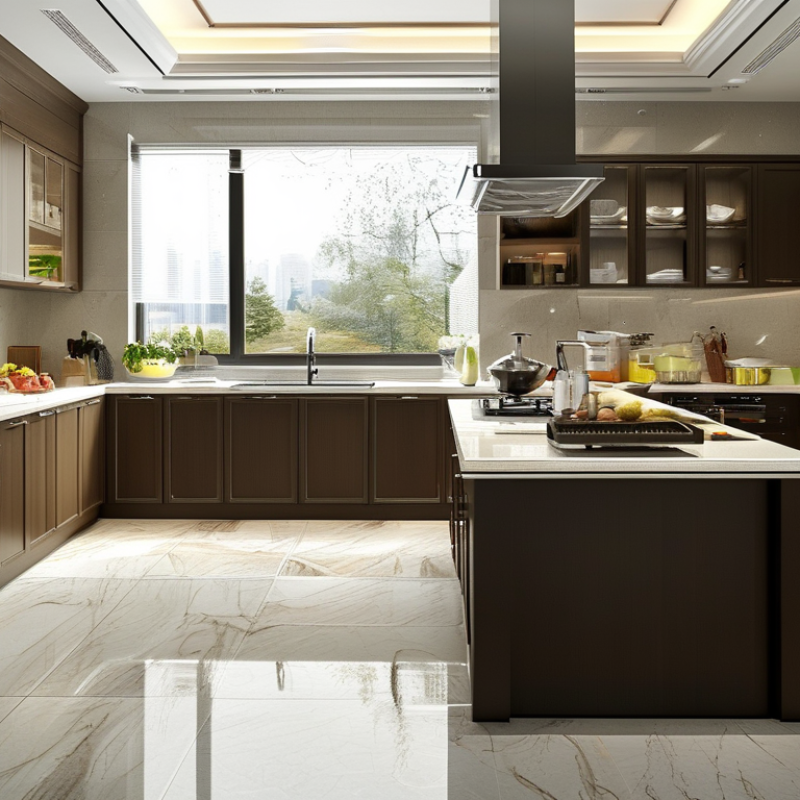
China's Leading Manufacturers of SPC Flooring for Kitchen Use
China has become a vital hub for SPC flooring, particularly for kitchen applications. As homeowners increasingly demand durable, moisture-resistant flooring, SPC has gained massive popularity. According to industry reports, the global SPC flooring market is expected to reach $10 billion by 2025, driven largely by this demand. Additionally, China is home to over 300 leading manufacturers specializing in SPC products, making it a competitive landscape.
Many of these manufacturers prioritize innovation. They focus on developing flooring that withstands moisture, heat, and daily wear, all essential for kitchen environments. The average lifespan of SPC flooring in residential settings is reported to be between 15 to 30 years. Such durability appeals to global buyers seeking long-term solutions. However, quality can vary greatly between manufacturers, making research crucial for potential buyers. Engaging with manufacturers directly can provide insights into their production processes and quality control measures.
While many Chinese manufacturers follow strict quality standards, some may cut corners in materials. This risk can leave buyers with subpar products that degrade quickly. Verifying certifications and asking for product samples can safeguard against these pitfalls. Engaging in thorough market research and communication with suppliers can enhance the purchasing experience significantly.
Key Features of High-Quality SPC Flooring for Global Buyers
When it comes to selecting SPC flooring, global buyers should consider several key features that define high quality. SPC, or Stone Plastic Composite, is known for its resilience and durability. A thick wear layer is essential. This feature protects against scratches and stains, making it ideal for busy kitchens. A well-constructed SPC floor can also withstand moisture, reducing the risk of warping.
Another important aspect is the overall thickness of the planks. Thicker planks often provide better sound insulation and feel more premium underfoot. Buyers must also pay attention to the design options available. A realistic wood or stone look enhances the aesthetic appeal while maintaining functionality.
Quality SPC flooring should offer a warranty, indicating confidence in its durability. However, not all products live up to their promises. It’s crucial to research and read reviews before making a decision. Some flooring may look great but fail in practical applications. Understanding these features can lead buyers to make informed choices.
Comparative Analysis of Design Options in China’s SPC Flooring Market
The SPC flooring market in China offers a diverse range of design options, appealing to global buyers. With advancements in technology, manufacturers create flooring that mimics natural materials. Realistic wood and stone finishes are available. This allows consumers to achieve sophisticated aesthetics without the drawbacks of natural products.
However, the quality of SPC flooring varies significantly. Some products may not withstand heavy foot traffic or humidity as advertised. Buyers should examine durability claims closely. Many designs feature unique textures and patterns, but some may fade over time due to sunlight exposure. Attention must be paid to maintenance requirements as well.
Sustainability is also a growing concern. While many manufacturers claim eco-friendliness, verifying these claims can be challenging. Some options may not meet global environmental standards, leading to potential backlash in international markets. Buyers should research thoroughly and consider the long-term impact of their choices. The SPC flooring landscape is evolving, making careful selection essential.
Factors Influencing SPC Flooring Prices for International Customers
SPC (Stone Plastic Composite) flooring has gained popularity among global buyers due to its durability and aesthetic appeal. However, various factors influence the pricing of this flooring. Understanding these factors is crucial for international customers.
Material quality plays a significant role in pricing. Higher-quality SPC flooring often uses superior raw materials, impacting costs. Thickness also matters; thicker products typically cost more due to enhanced durability. Environmental regulations can affect prices as well. Manufacturers adhering to strict eco-standards may have higher production costs, which get passed on to consumers.
Additionally, market demand fluctuates, impacting pricing. If demand surges, prices can rise significantly. Conversely, during times of low demand, rates may drop. Shipping and logistics also affect costs for global buyers. Import tariffs and cross-border transport fees can add to the overall price of SPC flooring. This complexity requires careful consideration when making purchasing decisions.
Sustainability and Environmental Impact of SPC Flooring Production in China
SPC flooring has gained popularity due to its durability and aesthetic appeal. However, the environmental impact of its production deserves careful consideration. In 2021, the global SPC flooring market was valued at approximately $2.43 billion, with growth projected at 8.3% annually. This surge highlights the need for sustainable practices in manufacturing.
In China, SPC flooring production relies on advanced technologies. Production processes often generate significant carbon emissions, raising concerns about sustainability. A report by the Environmental Protection Bureau indicates that flooring production can emit up to 600 kg of CO2 per ton. This figure underscores the urgency for manufacturers to adopt eco-friendly measures.
While many producers are integrating recycled materials, challenges remain. Issues such as water usage and waste management require improvement. Without stringent regulations, some companies may prioritize profit over environmental responsibility. The balance between quality and sustainability remains a key topic in the SPC flooring industry. Addressing these gaps is crucial for a more sustainable future.
FAQS
: The SPC flooring market offers various designs that mimic natural materials like wood and stone.
Quality can differ significantly. Some may not endure heavy foot traffic or humidity as promised.
Maintenance requirements vary. Some designs may fade over time due to sunlight, requiring more care.
Many manufacturers claim eco-friendliness, but verifying these claims can be challenging for buyers.
Material quality, thickness, and market demand are key factors impacting the prices of SPC flooring.
Some products may not meet global environmental standards, potentially leading to issues in international markets.
The production generates significant carbon emissions, which raises sustainability concerns that need addressing.
Import tariffs and transport fees can significantly add to the overall price for international customers.
Many producers are using recycled materials, but challenges like water usage and waste management remain.
The global SPC flooring market is projected to grow at 8.3% annually, highlighting its rising popularity.
Conclusion
The article explores the best options for Kitchen SPC Flooring from leading Chinese manufacturers, catering to global buyers. It highlights the key features that define high-quality SPC flooring, such as durability, ease of maintenance, and aesthetics. A comparative analysis reveals the diverse design options available in China's SPC flooring market, allowing international customers to make informed choices that suit their kitchen decor.
Furthermore, the article discusses various factors that influence SPC flooring prices for international buyers, including material quality and manufacturing processes. It also addresses the sustainability measures in place within the production of SPC flooring in China, emphasizing the environmental impact and commitment to eco-friendly practices. Through this comprehensive overview, global buyers can navigate the diverse landscape of Kitchen SPC Flooring, ensuring they invest in products that meet their kitchen renovation needs while aligning with their sustainability values.

 Senli New Material