In recent years, SPC vinyl flooring has gained immense popularity among global buyers. This innovative flooring solution combines durability with aesthetic appeal. Many homeowners and businesses are looking for alternatives to traditional flooring. SPC vinyl flooring presents a unique opportunity to enhance spaces without compromising quality.
Crafted from stone polymer composite, SPC vinyl flooring ensures resistance to wear and tear. It stands up well against moisture, making it suitable for various environments. Buyers should consider factors such as thickness, design, and warranty when choosing the best options. There are numerous styles available, which can satisfy diverse tastes and preferences.
While SPC vinyl flooring is reliable, potential buyers should remain cautious. Not all products are created equal, and some may not meet expected standards. Researching brands and reading reviews is essential for making informed choices. It’s important to reflect on individual needs and the specific environment where the flooring will be installed.
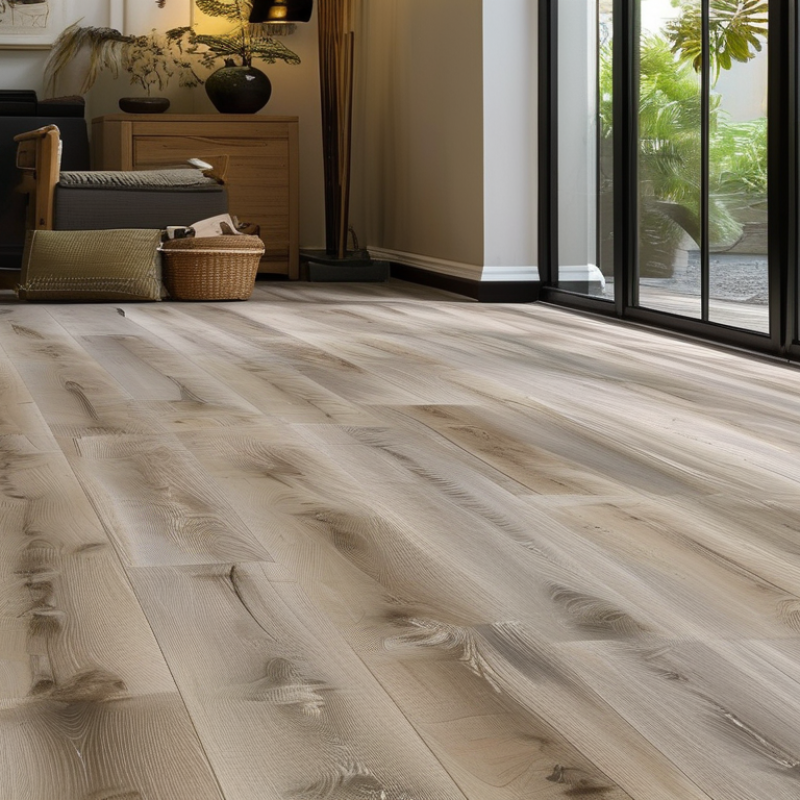
Choosing the right SPC vinyl flooring requires careful consideration of several key features. According to industry reports, the global SPC flooring market is projected to reach $5.15 billion by 2026, reflecting its increasing popularity among homeowners and commercial spaces. One critical factor is the wear layer thickness. A thicker wear layer means better resistance to scratches and stains. Typically, a wear layer of 20 mil is ideal for high-traffic areas.
Another essential feature is the locking mechanism. A click-lock system offers easier installation and better stability. Research shows that homeowners appreciate ease of installation. This often leads to cost savings during renovations. Sound insulation capabilities are also important. SPC flooring with an attached underlayment can reduce noise and create a more comfortable living environment. Many buyers overlook this feature, but it significantly enhances user experience.
Durability cannot be ignored. Some reports suggest that SPC flooring can last up to 20 years with proper care. This longevity appeals to buyers looking for long-term investments. However, not all options are created equal; variations in quality exist. Buyers should assess the construction methods of the flooring. Lower-quality products may lead to issues down the line. Recognizing these imperfections can guide you toward a better choice.
When selecting SPC vinyl flooring, global buyers have diverse preferences. Several popular brands offer various options that cater to different needs. These brands are known for durability and aesthetic appeal. They provide a range of colors and patterns, enabling customers to find the perfect match for their spaces.
Many brands emphasize eco-friendliness. They utilize sustainable materials and production techniques. This commitment is appealing to environmentally conscious buyers. However, not all brands maintain the same level of transparency regarding their materials. Buyers must conduct thorough research to ensure informed decisions.
Price points can vary widely across different brands. Buyers often find it challenging to balance quality with budget constraints. Some brands offer attractive warranties. However, reading the fine print remains essential. Brand reputation varies, potentially leading to mixed experiences. Investing time in reviews and comparisons may yield better outcomes.
When selecting SPC vinyl flooring, it’s crucial to navigate the balance between cost and quality. SPC flooring stands out due to its durability and aesthetic appeal. However, not all SPC products are created equal. A low-cost option might save money upfront but could lead to issues later, such as wear and tear. Higher-quality SPC offers better warranties and resistance to scratches and stains.
Understanding the material composition is essential. Quality SPC flooring typically features a thicker wear layer, which adds to its longevity. Buyers should look for solid core construction for enhanced stability. Real-life testing shows that thicker products withstand heavy foot traffic with less damage, highlighting the importance of quality over initial price.
Many consumers overlook the installation aspect in their decision-making. Professional installation can add to upfront costs but ensures the flooring performs to its best potential. DIY installations may be tempting but can end in costly mistakes if not done properly. Reflecting on these factors is crucial for a satisfactory purchase. Balancing cost and quality will lead to a wise investment in SPC vinyl flooring.
Installing SPC vinyl flooring requires careful planning and attention to detail. The first step is to ensure your subfloor is clean, dry, and level. Any imperfections could affect the final look and durability of your flooring. After preparing the subfloor, let the SPC planks acclimate in the room for at least 48 hours. This helps mitigate expansion or contraction after installation.
There are several installation methods for SPC vinyl flooring. Click-lock systems are popular due to their ease of use. They require no adhesive and can be installed over existing floors. While this method is convenient, it’s vital to ensure the planks fit snugly together. Gaps can lead to moisture issues over time. Alternatively, glue-down methods provide a more permanent solution. This method can be trickier, as you must apply the adhesive evenly. A mistake could lead to lumps or misalignment.
Always follow guidelines closely during installation. Make sure to use the right tools, such as a proper cutter and spacers. Spacing is crucial to allow for thermal expansion. Pay attention to layout patterns too—random placements can lead to an unbalanced look. Taking these factors into account will improve the overall appearance and longevity of your SPC flooring.
SPC vinyl flooring is popular for its durability and aesthetic appeal. To ensure its longevity, proper maintenance is key. Regular cleaning helps maintain its appearance and functionality. Use a soft broom or vacuum to remove dust and debris. Avoid abrasive tools that can scratch the surface. A damp mop can be used for deeper cleaning, but ensure the mop isn’t too wet. Excess moisture can damage the flooring over time.
Also, consider the use of mats in high-traffic areas. This simple addition can prevent wear and tear. Position mats at entrances to minimize dirt tracking. Regular inspections for indentations or scratches help maintain the look. If damage occurs, addressing it early can prevent further issues. A little attention goes a long way in preserving your flooring’s integrity.
Be aware of temperature changes as well. Extreme heat or cold can cause expansion or contraction. Try to maintain a stable environment. Consider using protective pads under furniture to avoid indentations. Even small habits can make a significant difference in the flooring's lifespan. The focus should remain on balance—finding effective yet simple ways to care for your SPC vinyl.
| Flooring Type | Thickness (mm) | Wear Layer (mm) | Water Resistance | Warranty (Years) | Maintenance Tips |
|---|---|---|---|---|---|
| Luxury SPC Vinyl | 4 | 0.5 | 100% Waterproof | 25 | Sweep regularly; use damp mop for cleaning. |
| Standard SPC Vinyl | 5 | 0.3 | Water Resistant | 20 | Avoid harsh cleaners; clean spills immediately. |
| Commercial SPC Vinyl | 6 | 0.7 | 100% Waterproof | 30 | Use floor mats; schedule regular professional cleaning. |
| Eco-Friendly SPC Vinyl | 5 | 0.5 | Water Resistant | 15 | Use UV protectant; avoid abrasive pads while cleaning. |
: A thicker wear layer improves resistance to scratches and stains. Aim for at least 20 mil in high-traffic areas.
A click-lock system simplifies installation and ensures better stability. It can also save money on renovation costs.
SPC with attached underlayment reduces noise. Many buyers overlook this, but it enhances overall comfort significantly.
Properly cared-for SPC can last up to 20 years. However, not all products are equally durable; quality matters.
Lower-cost SPC may save money upfront but could incur wear and tear issues later. Invest in higher quality for longevity.
Popular methods include click-lock and glue-down. Both have pros and cons; choose based on your skill level and durability needs.
Ensure the subfloor is clean, dry, and level. Allow the planks to acclimate for 48 hours to prevent future issues.
It can be costly but ensures proper performance. DIY may seem tempting but can lead to expensive mistakes.
Essential tools include a proper cutter and spacers. Proper spacing allows for thermal expansion, preventing future complications.
Random placements may create an unbalanced look. Plan your layout carefully to enhance the flooring's overall appearance.
When selecting SPC vinyl flooring, it's crucial to consider several top features such as durability, water resistance, and ease of installation. Popular options are available worldwide, catering to diverse aesthetic preferences and budgets. A comparative analysis between cost and quality can help buyers identify the best value for their investment in SPC vinyl flooring.
Installation methods for SPC vinyl flooring are relatively straightforward, often allowing for click-lock systems that facilitate a DIY approach. Adhering to best practices during installation can greatly enhance the performance and longevity of the flooring. After installation, regular maintenance is essential to preserve the appearance and extend the life of SPC vinyl flooring, ensuring it remains a practical and stylish choice for any space.
Senli New Material