When selecting the best SPC flooring for bathroom applications, it’s essential to prioritize moisture resistance and durability. SPC, or Stone Plastic Composite, is engineered to withstand the humid environment typical of bathrooms. Many homeowners appreciate its waterproof features, making it an ideal choice for wet areas. However, choosing the right SPC flooring for your bathroom goes beyond technical specifications.
It’s crucial to consider design and aesthetics as well. The wide range of colors and textures available in SPC flooring can complement any bathroom style, from modern to rustic. Small details like color coordination can significantly impact the overall ambiance. Yet, many still underestimate the importance of proper installation. Flawed installation can lead to negative outcomes and premature wear.
Ensuring that you have the correct subflooring and adequate expansion gaps can be a game-changer for the longevity of your flooring. While SPC flooring is resilient, poor installation may invite problems. Take time to research and consult with professionals to make informed choices. Finding the right SPC flooring for bathroom use can elevate your space, but it requires thoughtful planning.
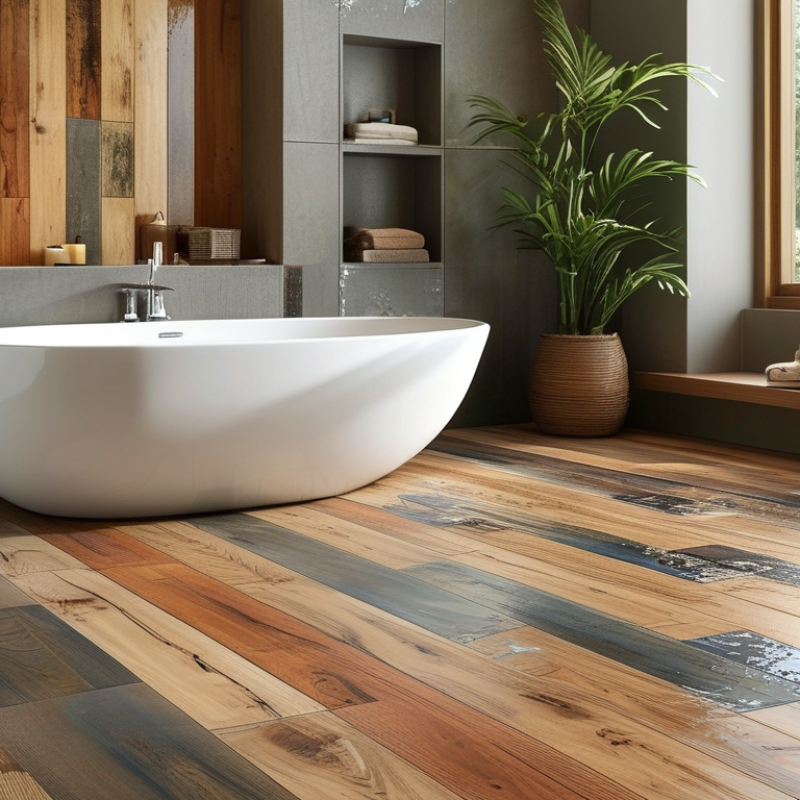
Choosing the Right SPC Flooring for Your Bathroom
When choosing SPC flooring for your bathroom, consider moisture resistance. SPC, or Stone Plastic Composite, is durable and waterproof. This makes it ideal for bathrooms, where water is common. Make sure the product you choose has a high resistance to humidity. Look for options with a textured surface to enhance grip.
Color and design matter too. Light colors can make a small space feel larger. Darker tones offer a cozy atmosphere. Consider the overall aesthetic of your bathroom. You may want cohesion with existing fixtures. Balancing style and functionality can be challenging but is important.
Lastly, pay attention to installation. Some SPC flooring is easier to install than others. Floating options can save time and effort. However, if you're new to DIY, consider hiring a professional. Keep in mind that imperfect installations can lead to gaps or uneven surfaces. Taking the time to select the right options can prevent future issues.
SPC Flooring Durability Ratings in Bathrooms
Benefits of SPC Flooring in High-Humidity Areas
SPC flooring is an excellent choice for bathrooms, especially in high-humidity areas. Its stone-plastic composite construction makes it resilient to moisture. Unlike traditional wood, SPC does not warp or swell when exposed to water. This feature is crucial in spaces where splashes and spills are common.
Imagine stepping onto a floor that remains stable, even after a hot shower.
The durability of SPC flooring is another key benefit. It can withstand daily wear and tear, making it ideal for busy bathrooms. Its surface is resistant to scratches and dents, which is vital in a family household. However, it’s important to consider proper installation. An unlevel subfloor can lead to problems over time. Careful attention to the fitting is crucial to its longevity.
SPC flooring is easy to clean and maintain, which is a major plus, especially in humid conditions. A simple wipe down is often enough to keep it looking fresh. Yet, while it resists moisture, standing water should still be avoided to maximize its lifespan. Remember, no flooring is completely upkeep-free. Regular attention is still necessary to maintain its beauty and functionality.
Design Ideas for Stylish SPC Flooring in Bathrooms
SPC flooring, or Stone Plastic Composite, is becoming increasingly popular in bathroom design. This material offers an ideal blend of durability and water resistance, essential for wet environments. According to the National Association of Home Builders, over 50% of homeowners prioritize waterproof flooring when remodeling bathrooms. The variety of designs available allows for stylish aesthetic choices without sacrificing functionality.
Consider a wood-look SPC for a warm, welcoming vibe. This can create the illusion of natural wood without the risk of warping. Incorporating geometric tiles can inject a modern twist and enhance visual interest. It's vital to think about the overall color scheme and lighting. Light colors can make a small space feel more expansive, while darker tones add a touch of sophistication.
Tips for using SPC flooring effectively: Ensure the subfloor is level and clean before installation. This can prevent future issues with dents or uneven wear. Use a high-quality adhesive specifically designed for SPC. Additionally, while SPC is resistant to moisture, ensuring proper ventilation in your bathroom will help maintain its lifespan. Remember, the right choice complements your design but also considers practicality.
Installation Tips for SPC Flooring in Bathroom Spaces
When installing SPC flooring in bathroom spaces, planning is key. Start by measuring the bathroom accurately. Consider the layout, especially around fixtures like sinks and toilets. Proper measurements can save you time and money.
Surface preparation is equally important. Ensure the subfloor is clean and dry. If poorly prepared, the flooring may not adhere properly, leading to future issues. Use underlayment if necessary, as it can provide additional moisture protection and cushioning underfoot.
During installation, cut the planks carefully. Measure twice, cut once to avoid mistakes. Leave an expansion gap around the perimeter for temperature changes. It’s essential to follow these steps closely. Small oversights can lead to buckling or gaps over time. Always stop and review your progress. Each step matters in achieving a polished look.
Maintenance Practices for Long-lasting SPC Flooring in Bathrooms
When choosing SPC flooring for bathrooms, maintenance is crucial for longevity. Regular cleaning is essential. Use a damp mop with mild soap to remove dirt and grime. Avoid harsh chemicals that can damage the finish. Regularly sweeping or vacuuming can also prevent scratches.
Humidity and moisture are common in bathrooms. While SPC flooring is water-resistant, standing water can still cause issues. Wipe up spills promptly to keep the surface dry. Consider using mats near the shower or sink to absorb excess moisture. Check for any signs of wear and tear regularly, as early action can prevent bigger problems later.
Ventilation is another critical factor. Ensure your bathroom is well-ventilated to reduce excess humidity. Opening windows or using exhaust fans can help. Yet, poor ventilation might lead to mold growth on surfaces, even if the flooring is water-resistant. It's important to reflect on how these factors interact. Good maintenance practices can enhance both the aesthetics and functionality of your SPC flooring, ensuring it lasts for years.
FAQS
: Measure accurately, paying attention to the layout around sinks and toilets.
A clean and dry subfloor ensures flooring adheres properly, preventing future issues.
Yes, underlayment provides moisture protection and cushioning, making installation smoother.
Measure twice before cutting to ensure accuracy and avoid unnecessary waste.
Expansion gaps allow for temperature changes, preventing buckling or gaps over time.
Regularly clean with a damp mop and avoid harsh chemicals to protect the finish.
Wipe up spills immediately to prevent moisture damage and keep the surface dry.
Excess humidity can lead to mold growth; good ventilation is crucial for prevention.
Regular cleaning, prompt spill management, and monitoring for wear enhance durability.
Proper ventilation reduces humidity levels, protecting against mold and maintaining flooring integrity.
Conclusion
When considering SPC flooring for bathrooms, it's essential to choose the right type that can withstand high humidity levels. SPC flooring offers numerous benefits in such environments, including water resistance and durability, making it an ideal choice for moisture-prone areas. Additionally, the aesthetics of SPC flooring can enhance the overall design of your bathroom, with various styles and colors available to suit any decor.
To ensure successful installation and longevity of SPC flooring in bathroom spaces, proper installation techniques should be followed, along with regular maintenance practices. This will help maintain the flooring's appearance and performance over time. Ultimately, selecting the best SPC flooring for bathroom spaces not only elevates your bathroom’s look but also ensures it remains functional and resilient against daily wear and tear.

 Senli New Material